
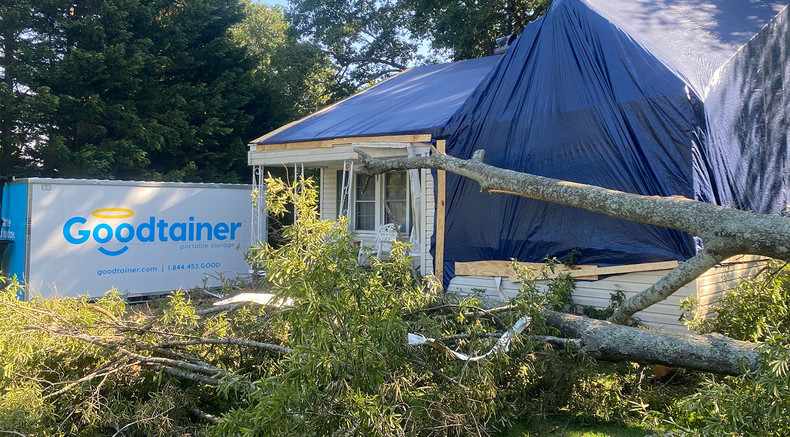
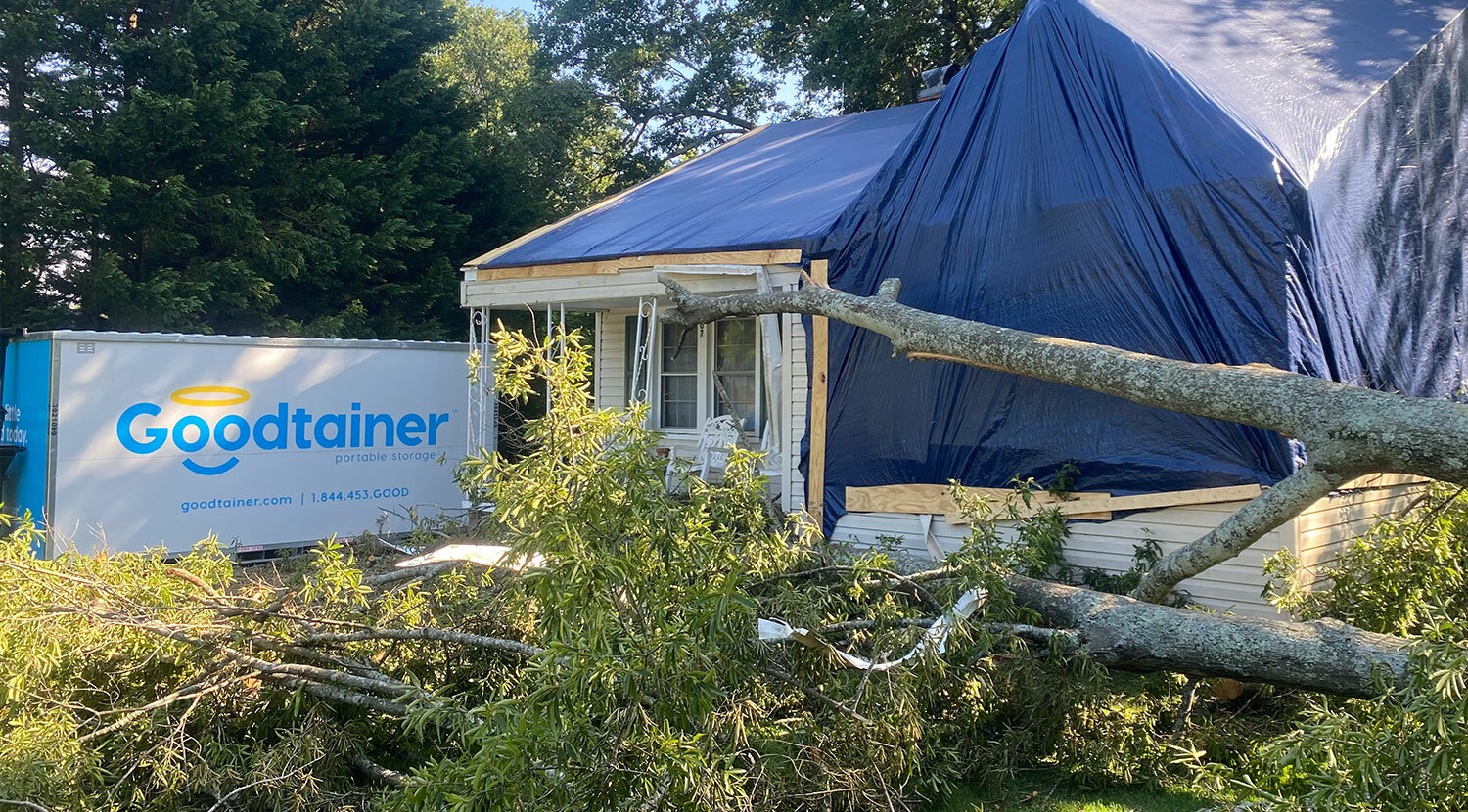
You don't have to live on the coast to feel hurricane season. Every year, the remnants of tropical storms push inland and dump heavy rain on the Upstate and Western North Carolina — and in September 2024, Hurricane Helene showed just how serious that can get, bringing catastrophic flooding and wind damage to Asheville, Hendersonville, and the surrounding mountains. Add in the straight-line wind and downed trees that come with a typical Piedmont thunderstorm season, and most homeowners here will face at least one of these threats eventually: rising water, high wind, or a tree through the roof.
None of that is convenient timing for figuring out where to put your furniture. Here's how to protect your belongings before, during, and after storm season — and where a portable storage pod fits in.
Hurricane Season Isn't Just a Coastal Problem Anymore
Greenville, Spartanburg, and the mountain communities of Western North Carolina sit well inland, but "inland" doesn't mean "safe." Storm systems that make landfall on the Gulf or Atlantic coast routinely track up through Georgia and the Carolinas, weakening in wind speed but often dumping more rain as they slow down over higher terrain. That combination — saturated ground plus steep grades — is exactly what makes Western NC and the Upstate foothills prone to flash flooding and landslides during and after a storm, even days after the wind has died down.
The three things that tend to do the most damage to a home's contents during hurricane season are:
- Flooding — from storm surge remnants, flash flooding, or just days of sustained rain overwhelming drainage
- High wind — roof and siding damage that lets water into places it's never been before
- Fallen trees — a single mature oak or pine can total a roof, and cleanup often takes longer than the repair itself
Each one calls for a slightly different approach to protecting what's inside your home.
Flooding: Getting Your Belongings Above the Water Line
If your home is in a flood-prone area — or even if it's just had water intrusion before — the goal is to get moisture-sensitive belongings elevated and sealed before the water shows up, not after.
Before the storm:
- Move furniture, electronics, and boxed items out of basements and ground-floor rooms that have flooded before
- Get important documents, photos, and anything irreplaceable into waterproof containers
- If you know a storm is tracking your way, this is the week to schedule a storage pod delivery — not the day before
After the storm, if water did get in:
- Anything that touched floodwater needs to come out of the house fast, both to save it and to stop mold from spreading to everything else
- A weatherproof, lockable pod on your driveway gives water-damaged and salvageable items somewhere dry to sit while you sort what's worth keeping — without hauling everything to an off-site unit while your yard is still a mess
High Wind Damage: What to Move Before (and After) the Storm
Wind damage is sneakier than flooding because it often shows up as a hole you didn't know you had — a lifted shingle, a cracked window seal, a section of siding that peeled back. That means rooms that were never at risk before can suddenly have water coming in through the attic or an exterior wall.
If high winds are forecast, it's worth temporarily clearing anything valuable away from exterior walls, attics, and rooms with large windows — especially on the side of the house facing the prevailing wind. If wind damage does let water in, you're back to the same clock as a flood: get affected belongings out and dry as quickly as you can.
Fallen Trees: Securing Your Home and Belongings During Cleanup
Tree damage is its own category because the timeline is different. A tree through the roof doesn't just damage what's directly underneath it — it usually means the whole house needs to be tarped, the structure inspected, and repairs scheduled before anyone can safely live there normally again. That can stretch cleanup and repair out for weeks.
During that stretch, most families need somewhere secure to put an entire room's — or an entire house's — worth of belongings while contractors work. A pod parked in the driveway means:
- Your things stay on your property, not a 20-minute drive away at a self-storage facility
- Everything is under one lock, which matters when contractors, adjusters, and cleanup crews are all coming and going
- You're not paying to load a truck twice — once into storage, once back home — you load it once when the tree comes down and unload it once when repairs are done
Proven in a Real Disaster, Not Just in Theory
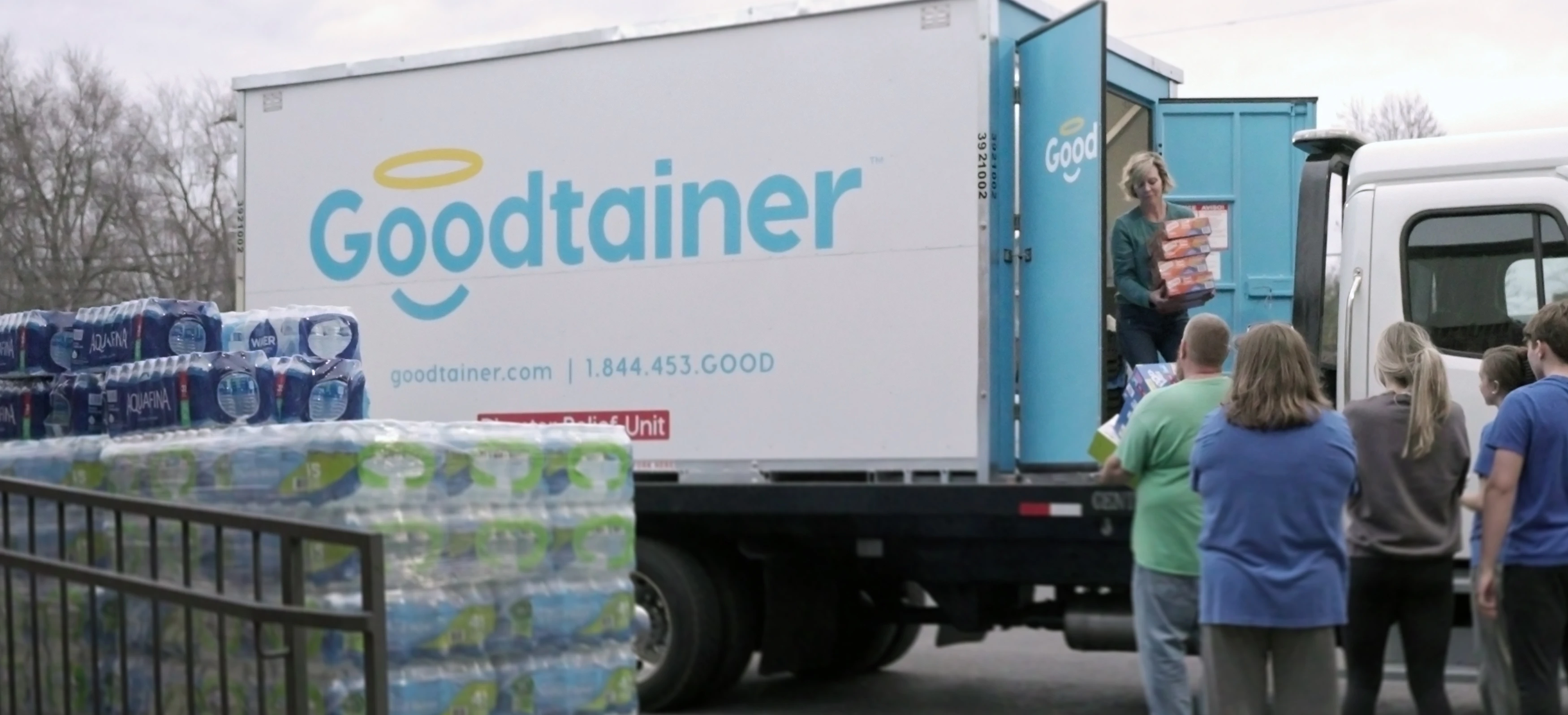
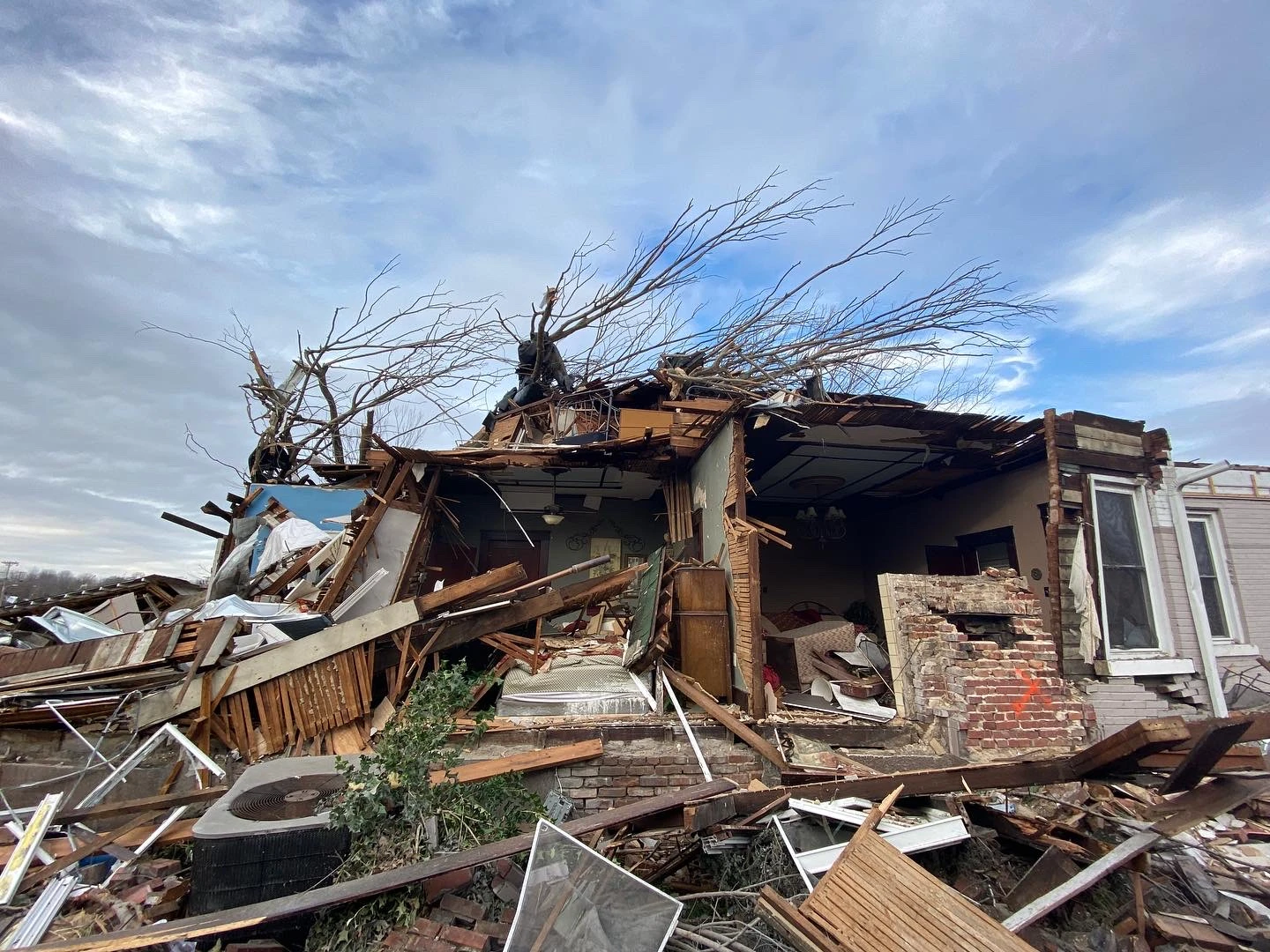
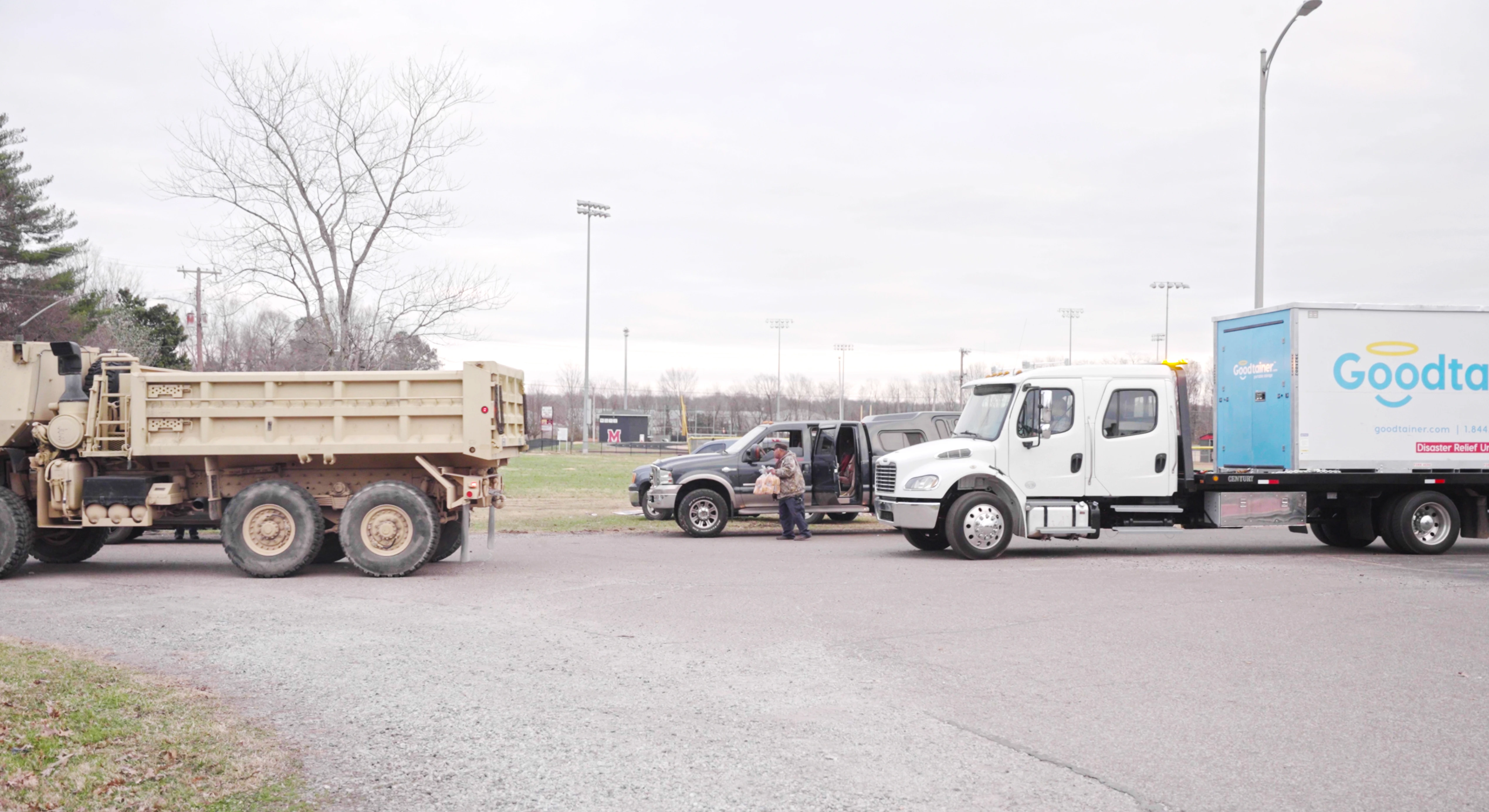
This isn't a hypothetical for us. When tornadoes tore through Mayfield, Kentucky in December 2021, Goodtainer deployed containers to help families secure what was left of their belongings during recovery. Storm and disaster response is part of why this company exists — not an afterthought we bolted onto a moving business.
That's also why homeowners and contractors across Greenville, Spartanburg, and the surrounding area keep calling us during storm season: 76+ five-star reviews on Google, a flat monthly rate with no surprise fees, and a family-owned team that answers the phone instead of routing you through a call center.
Why a Storage Pod Beats a Truck Rental or Off-Site Unit During Storm Season
When you're already dealing with a damaged roof or a flooded basement, the last thing you need is a second logistics project. A portable storage pod solves the two biggest headaches of storm-season storage:
- No double handling. With a truck or an off-site unit, you load once to transport and again to put things away. With a pod delivered to your driveway, you load it once, and it sits there — or we haul it to our secure facility if you'd rather it not be on-site — until you're ready to unload.
- Transparent, flat pricing. Storm cleanup already comes with enough surprise costs from contractors and insurance. Our pricing stays fixed by container size for as long as you rent. Our 16 foot containers rent for , and our 20 foot containers rent for — with no hidden fees and no surprise increase partway through your rental.
Full details are on our rental information page, including container dimensions and delivery details for your area.
A Simple Hurricane-Season Storage Checklist
Print this or save it before storm season ramps up:
- Know your flood history. If your basement or ground floor has flooded before, plan to move belongings out early — don't wait for a warning.
- Photograph valuables now. Before any damage happens, so you have documentation for insurance either way.
- Identify your "get out fast" items. Documents, electronics, photos, anything irreplaceable — know where they are so they can move first.
- Book storage before the storm, not after. Pod availability tightens up fast once a storm is in the forecast.
- Keep an inventory of what goes into storage. A quick phone-video walkthrough as you load the pod makes insurance claims much easier later.
- Don't rush the unload. Once repairs are done, a flat monthly rate means there's no penalty for taking an extra week or two to move back in at a normal pace.
Frequently Asked Questions
Can I get a storage pod delivered before a hurricane or storm is forecast?
Yes — and it's the better time to do it. Once a storm is actively in the forecast, delivery scheduling gets tighter across the whole service area, so booking a few days ahead gives you the most flexibility.
Will a portable storage container protect my belongings from flooding?
A Goodtainer pod is weatherproof and sealed against wind-driven rain, and keeping it off low-lying, flood-prone ground (we can help you pick the placement) keeps water out from underneath as well. For a home in a known flood zone, we'd still recommend moving anything irreplaceable to elevated or off-site storage rather than leaving it in a container parked at ground level in standing water.
How long can I keep a storage pod on my property after storm damage?
As long as you need — our rate is flat by container size with no rental-length penalty, which matters when contractor schedules and insurance timelines during storm season are unpredictable.
Do you serve areas affected by storms in Western North Carolina, not just South Carolina?
Yes. Goodtainer delivers across the Upstate — Greenville and Spartanburg and the surrounding communities — as well as Western North Carolina. See our full service area for the specific counties we cover.
What if my property was already damaged and I need help now, not before the next storm?
Read our guide on what to do if your property is damaged by a storm for the cleanup-stage version of this — including insurance documentation tips.
Storm season doesn't wait for a convenient time, and neither should your storage plan. If you're in the Upstate or Western North Carolina and want a pod delivered before the next system rolls through, check pricing and availability or call 1-844-453-4663 — we're a local, family-owned team, not a call center, and we'll help you figure out the right size and timing for your situation.